Planets in Vedic Astrology
Explore the nine classical grahas that shape destiny, personality, and karma — from the luminous Sun and Moon to the mysterious shadow planets Rahu and Ketu.
Understanding the Cosmic Forces
Brihat Parashara Hora Shastra, Chapter 3
आदित्यश्चन्द्रमा भौमो बुधश्चाथ बृहस्पतिः । शुक्रः शनैश्चरो राहुः केतुश्चेति नवग्रहाः ॥
Ādityaścandramā bhaumo budhaścātha bṛhaspatiḥ | Śukraḥ śanaiścaro rāhuḥ ketuśceti navagrahāḥ ||
"The Sun, Moon, Mars, Mercury, Jupiter, Venus, Saturn, Rahu, and Ketu — these are the nine planets (Navagraha)."
In Vedic astrology, the planets, or Grahas (ग्रह), are the celestial forces that govern every aspect of human existence. The word "Graha" literally means "that which seizes or influences," reflecting the belief that these cosmic bodies have a direct hold on consciousness, karma, and destiny — not merely a symbolic or decorative role in the chart.
The classical system recognizes nine primary Grahas — the Navagraha — each embodying a distinct cosmic principle. From the radiant Sun (Surya) representing the soul to the shadowy Ketu pointing toward spiritual liberation, these nine planets weave the intricate tapestry of fate that defines each individual's journey. A planet's placement, aspects, conjunctions, and its dignity (exalted, debilitated, or in its own sign) all shape how its core signification manifests in a specific life.
Planet Classifications
The nine Navagraha grouped by their traditional role and speed of motion
Luminary
2 Planets
The two lights that anchor consciousness itself — Surya as the soul (Atma), Chandra as the mind (Manas). Every chart is read against these two first.
Personal
3 Planets
The fast-moving inner planets — Mangala, Budha, and Shukra — that color individual temperament: drive, intellect, and affection.
Social
2 Planets
The slow-moving outer classical planets — Brihaspati and Shani — that shape a life's broader arc of expansion and discipline.
Shadow
2 Planets
Rahu and Ketu, the lunar nodes — mathematical points rather than physical bodies, governing karmic pull and karmic release.
The Nine Navagraha
Click any planet for its full significations, exaltation, gemstone, mythology, and Vedic significance
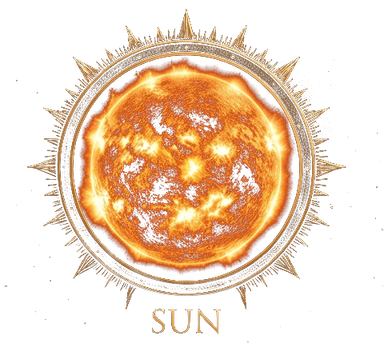
Sun
Surya (सूर्य)
The soul's own light — karaka of authority, vitality, and the father.

Moon
Chandra (चंद्र)
The mind's own mirror — karaka of the mother, emotion, and Janma Nakshatra.

Mars
Mangala (मंगल)
The commander-in-chief — karaka of energy, courage, and siblings.

Mercury
Budha (बुध)
The cosmic messenger — karaka of intellect, speech, and commerce.
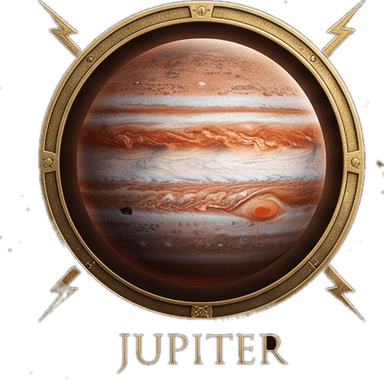
Jupiter
Brihaspati (गुरु)
Guru of the gods — karaka of wisdom, dharma, and children.
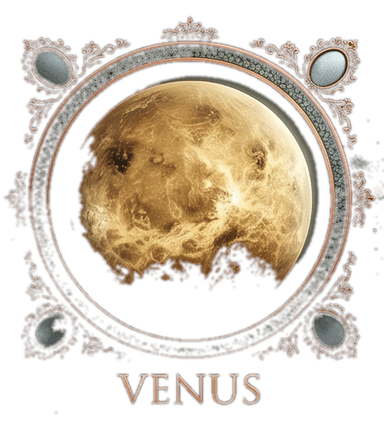
Venus
Shukra (शुक्र)
The divine artist — karaka of love, beauty, and marriage.

Saturn
Shani (शनि)
The cosmic taskmaster — karaka of discipline, karma, and longevity.
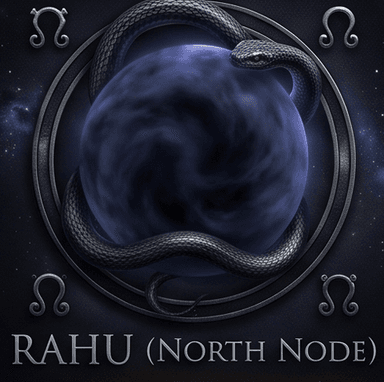
Rahu
Rahu (राहु)
The ascending node — karaka of worldly desire, obsession, and the foreign.

Ketu
Ketu (केतु)
The descending node — karaka of detachment, past karma, and moksha.
Quick Reference Guide
| Planet | Sanskrit Name | Element | Category | Key Significations |
|---|---|---|---|---|
☉Sun | सूर्य(Surya) | Fire (Agni) | Luminary | Soul (Atma)FatherAuthorityGovernment |
☾Moon | चंद्र(Chandra) | Water (Jala) | Luminary | Mind (Manas)MotherEmotionsNourishment |
♂Mars | मंगल(Mangala) | Fire (Agni) | Personal | EnergyCourageSiblingsProperty |
| बुध(Budha) | Earth (Prithvi) | Personal | IntelligenceCommunicationCommerceSpeech | |
| गुरु(Brihaspati) | Ether (Akasha) | Social | WisdomSpiritualityChildrenWealth | |
| शुक्र(Shukra) | Water (Jala) | Personal | LoveBeautyLuxuryArts | |
| शनि(Shani) | Air (Vayu) | Social | DisciplineDelaysKarmaLongevity | |
☊Rahu | राहु(Rahu) | Air (Vayu) | Shadow | ObsessionForeign ElementsTechnologyIllusion |
☋Ketu | केतु(Ketu) | Fire (Agni) | Shadow | SpiritualityDetachmentPast KarmaLiberation |
Want to see exactly where these nine planets sit in your own chart?
Get My Free Birth ChartFrequently Asked Questions
The Navagraha are the nine classical planets of Jyotish: Surya (Sun), Chandra (Moon), Mangala (Mars), Budha (Mercury), Brihaspati (Jupiter), Shukra (Venus), Shani (Saturn), and the two lunar nodes, Rahu and Ketu. Brihat Parashara Hora Shastra treats all nine as living forces (grahas, literally 'that which seizes') whose placement at birth shapes consciousness, karma, and destiny — not just the seven physical bodies visible to the naked eye.